If you own a car, you probably know it needs regular maintenance—like oil changes and tire rotations.
But what about your radiator? One important service that many people forget is a radiator flush. This simple procedure plays a big role in keeping your car healthy and running smoothly.
In this article, we’ll explain what a radiator flush is, why the time it takes really matters, and what to expect when you get one.
Whether you’re heading to a mechanic or thinking about doing it yourself, this guide will help you understand why radiator flush time is more than just minutes on a clock.
What Is a Radiator Flush?
Let’s start with the basics.
Your car’s engine gets hot when it runs. That’s normal. But if it gets too hot, it can get damaged.
The radiator is part of the cooling system that helps keep your engine at a safe temperature. It works with coolant (also called antifreeze) to absorb heat from the engine and release it through the radiator.
Over time, the coolant becomes dirty. It can pick up rust, debris, and other gunk from inside the engine and radiator.
If this dirty fluid stays in your system too long, it can clog things up and stop the coolant from flowing properly. That’s when your engine could overheat or get damaged.
A radiator flush solves this problem. It’s the process of removing all the old coolant and flushing out the inside of the radiator with clean water or a special solution.
After that, the system is filled with fresh coolant. It’s like giving your cooling system a fresh start.
Why Timing Matters for a Radiator Flush
You might think, “It’s just changing fluid—does it really matter how long it takes?” The answer is yes! The time spent on a radiator flush affects how well the job is done and how safe your engine will be afterward.
1. Proper Cleaning Takes Time
A quick flush may sound good, especially if you’re in a hurry. But rushing it can leave behind old fluid, rust, or grime.
A complete flush usually takes 45 minutes to 1.5 hours, depending on the car. That gives the mechanic enough time to drain, flush, clean, refill, and test the system properly.
If not done right, leftover debris can clog the radiator or block the thermostat. That means your engine could still overheat even after a flush.
2. Prevents Serious Engine Damage
Coolant that’s old and dirty doesn’t protect your engine well. If your engine overheats, it could lead to cracked gaskets, warped cylinder heads, or even a blown engine. That’s thousands of dollars in repairs!
Taking the proper time to do a radiator flush can help you avoid these major problems. It’s a small investment in time that protects your whole engine.
3. Boosts Car Performance
Fresh coolant keeps your engine running at the right temperature. That means better gas mileage, less strain on the engine, and fewer breakdowns. You may not feel it right away, but over time, your car will thank you.
4. Protects Your Warranty
If your car is still under warranty, you need to follow the maintenance schedule in your owner’s manual. Skipping radiator flushes—or doing them too fast or incorrectly—can void that warranty. Manufacturers want to see that you’ve taken proper care of your vehicle.
What to Expect During a Radiator Flush
Now let’s go over the step-by-step process of what happens during a radiator flush. Knowing what to expect makes the whole thing feel less mysterious.
Step 1: Cooling Down the Engine
A radiator flush should never be done on a hot engine. Coolant gets extremely hot when your car runs, and opening the system while it’s hot can be dangerous. That’s why mechanics wait for the engine to cool down completely. This can take 15–30 minutes, depending on how long the car was driven.
Step 2: Draining Old Coolant
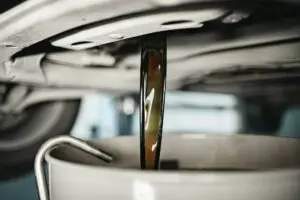
Once the engine is cool, the mechanic opens a valve or drain plug at the bottom of the radiator. This lets the old coolant drain out into a container for safe disposal. If the fluid is brown or filled with particles, it’s a sign that the system really needed a flush. Draining usually takes 10–15 minutes.
Step 3: Flushing the System
Next, the mechanic adds a flushing solution or clean water to the radiator. They may run the engine briefly so the fluid circulates and loosens up any leftover rust, scale, or buildup. Sometimes, this step is repeated for extra cleaning. This part takes 15–20 minutes, or longer if the system is very dirty.
Step 4: Refilling with Fresh Coolant
Once the system is clean, it’s time to refill it with the right mix of coolant and water—usually a 50/50 blend. The exact type of coolant depends on your car, so make sure the shop uses the right one. Filling the system takes about 10–15 minutes.
Step 5: Bleeding the System
Air can get trapped inside the cooling system during the flush. That’s bad because air pockets can stop coolant from flowing properly. The mechanic will “bleed” the system by running the engine with the radiator cap off or using special tools to remove the air. This step takes 10–20 minutes.
Step 6: Final Test
To finish, the mechanic runs the engine and monitors the temperature gauge. They also check for leaks, test the heater (since coolant also powers the heater), and make sure the fluid level stays steady. This test run usually lasts 5–10 minutes.
How Often Should You Get a Radiator Flush?
Most cars need a radiator flush every 30,000 miles or every 2–3 years, whichever comes first. But always check your owner’s manual, because every vehicle is different.
You should also consider a flush if:
- Your engine is overheating
- Your coolant looks rusty or brown
- You smell something sweet (a sign of a coolant leak)
- Your heater doesn’t work properly
- It’s been a long time since your last service
DIY vs. Professional Flush
You can flush your radiator at home, but it takes time, tools, and safety know-how. You’ll need:
- A jack to lift the car (if needed)
- A drain pan
- Flush solution or distilled water
- The right coolant
- A funnel
- A safe way to dispose of used coolant (it’s toxic to people and animals!)
Most people find it easier and safer to have a professional do the job. A radiator flush at a shop usually costs between $100 and $150, but it includes the fluid, cleaning solution, and labor. Plus, they’ll often check for leaks or worn hoses while they’re at it.
Final Thoughts
Radiator flushes might not be the most exciting part of owning a car, but they’re super important. And yes—time matters.
Taking 45 minutes to an hour for a proper flush can save you thousands in engine repairs down the road.
Don’t rush it. Don’t skip it. Keeping your cooling system clean means your engine stays cool, your car performs better, and you avoid unexpected breakdowns.
So when it’s time for your next radiator flush, you’ll know exactly what to expect—and why every minute counts.