
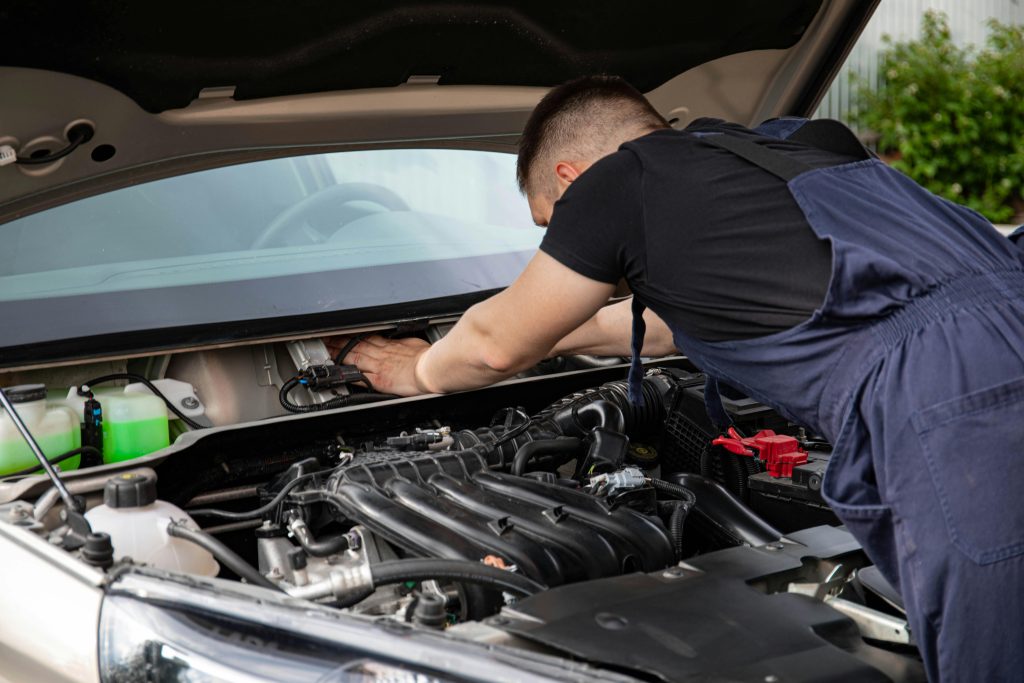
When it comes to car maintenance, some things are easy to overlook. Transmission fluid changes might not seem as urgent as an oil change or a tire rotation, but neglecting them can lead to serious problems for your vehicle.
Let’s dive into why transmission fluid is important, what happens if you skip changing it, and how it can affect your car’s performance and longevity.
What is Transmission Fluid and Why is it Important?
Transmission fluid is the lifeblood of your vehicle’s transmission system. Whether you have an automatic or manual transmission, this fluid is essential for:
- Lubrication: It reduces friction between moving parts.
- Cooling: It helps dissipate heat generated by the transmission.
- Hydraulic Pressure: In automatic transmissions, it provides the necessary pressure to shift gears smoothly.
Without clean and efficient transmission fluid, your car’s transmission will struggle to function properly. Over time, dirty or degraded fluid loses its effectiveness, leaving your transmission vulnerable to wear and tear.
Risks of Neglecting Transmission Fluid Changes
1. Overheating the Transmission
Transmission fluid plays a key role in cooling the system. If the fluid becomes old or contaminated, it can’t effectively regulate temperature. Overheating can cause severe damage to internal components, leading to costly repairs or even complete transmission failure.
2. Increased Wear and Tear
Dirty or degraded fluid can’t lubricate the transmission parts as well as it should. Without proper lubrication, the metal parts inside your transmission grind against each other, accelerating wear and tear. This can result in damaged gears, bearings, and seals.
3. Slipping Gears
Old transmission fluid can lose its ability to maintain proper hydraulic pressure. In automatic transmissions, this can lead to gear slippage, making it difficult for your car to stay in gear or shift smoothly. Gear slippage isn’t just inconvenient—it’s dangerous, especially when driving at high speeds.
4. Poor Performance
When your transmission isn’t operating efficiently, your car’s performance suffers. You may notice sluggish acceleration, difficulty shifting gears, or a lack of responsiveness. These issues can compromise your driving experience and potentially put you in unsafe situations.
5. Higher Repair Costs
Neglecting regular transmission fluid changes can lead to severe damage over time. A damaged transmission often requires expensive repairs or a complete replacement. What could have been prevented with a low-cost fluid change may turn into a bill running into thousands of dollars.
How Neglect Affects Your Car in the Long Term
Failing to change your transmission fluid doesn’t just cause immediate problems; it also impacts your car’s longevity and resale value.
Here’s how:
- Shorter Lifespan: A poorly maintained transmission is more likely to fail, reducing the overall lifespan of your car.
- Reduced Fuel Efficiency: A struggling transmission makes your engine work harder, leading to lower gas mileage.
- Decreased Resale Value: Buyers often avoid vehicles with signs of transmission trouble, making it harder to sell your car at a good price.
Signs It’s Time to Change Your Transmission Fluid
Not sure if it’s time to change your transmission fluid? Watch out for these warning signs:
- Strange Noises: Whining, clunking, or humming noises coming from the transmission.
- Burning Smell: Overheated transmission fluid can emit a burnt odor.
- Leaking Fluid: Puddles of red or brown fluid under your car indicate a transmission fluid leak.
- Difficulty Shifting Gears: Delayed or rough gear shifts often point to fluid issues.
- Warning Light: Some cars have a transmission temperature warning light that illuminates when the fluid is too hot.
If you notice any of these symptoms, it’s crucial to have your transmission checked by a professional mechanic.
How Often Should You Change Transmission Fluid?
The recommended interval for changing transmission fluid varies depending on your vehicle’s make and model.
Generally, most manufacturers suggest:
- Every 30,000 to 60,000 miles for manual transmissions.
- Every 60,000 to 100,000 miles for automatic transmissions.
Always consult your owner’s manual for specific guidelines.
Tips for Proper Transmission Maintenance
Taking care of your transmission doesn’t have to be complicated. Follow these tips to keep it running smoothly:
- Regular Fluid Checks: Check the transmission fluid level and condition monthly. It should be red and clear, not brown or cloudy.
- Address Leaks Immediately: If you notice fluid leaks, have them repaired as soon as possible to prevent further damage.
- Stick to a Maintenance Schedule: Follow the manufacturer’s recommendations for fluid changes and transmission service.
- Drive Gently: Avoid aggressive driving habits like hard acceleration or frequent towing, which put extra strain on the transmission.
Conclusion
Neglecting transmission fluid changes may seem like a minor oversight, but it can lead to major headaches down the road. From overheating to costly repairs, the risks far outweigh the time and expense of regular maintenance.
By taking care of your car’s transmission fluid, you’ll ensure a smoother ride, better performance, and a longer lifespan for your vehicle.
Your transmission is one of the most critical components of your car. Treat it with care, and it will reward you with years of reliable service on the road.