Have you ever turned on your car’s heat, only to notice an unusual gasoline smell filling the cabin? It’s an unpleasant and potentially alarming experience.
This blog will help you understand why your car smells like gas when the heat is on and what you can do to address it.
Common Causes of Gas Smell in Your Car
There are several reasons why your car may emit a gasoline odor when you turn on the heater. While some causes are relatively harmless, others might signal a more serious problem. Let’s explore the most common culprits.
1. Fuel System Leaks
A leak in your car’s fuel system is one of the most common reasons for a gas smell. *
This could happen in various parts of the system, including:
- Fuel injectors: If the injectors are damaged or loose, they might leak gas.
- Fuel tank: Cracks or punctures can cause fuel to seep out.
- Fuel lines: Corrosion or wear and tear can lead to leaks.
When the heat is on, the smell of leaking gas may get pulled into the cabin through the ventilation system, making it noticeable.
2. Exhaust System Issues
Your car’s exhaust system plays a key role in managing fumes, including those from unburned gasoline. If there’s a leak or damage in the exhaust system, such as in the manifold or pipes; gas fumes could escape. These fumes may be drawn into the heating system and enter the cabin.
3. Poor Engine Performance
If your car’s engine isn’t running efficiently, unburned fuel might escape into the exhaust. Problems like:
- A malfunctioning oxygen sensor
- A faulty catalytic converter
- Worn-out spark plugs
can cause your engine to leave behind traces of gas, which could make its way into the cabin.
4. Spilled Gasoline
Sometimes, the explanation is as simple as spilled gas. If you’ve recently filled up your tank and some gas spilled near the filler cap, the smell could linger. This becomes more noticeable when you turn on the heat, as warm air intensifies odors.
5. Ventilation System Contamination
Gasoline odors can also come from debris, contaminants, or fluids in your car’s ventilation system.
For instance:
- A clogged cabin air filter may trap gas fumes.
- Fluids like oil or antifreeze leaking near the vents may carry a gas-like odor into the cabin.
Is It Dangerous?
The smell of gas in your car can range from mildly annoying to downright hazardous.
Here are the potential risks:
- Health Risks: Breathing in gas fumes can cause headaches, nausea, or dizziness. Prolonged exposure might even lead to more severe health issues.
- Fire Hazard: Gasoline is highly flammable. A leak in the fuel system combined with heat or a spark could result in a fire.
- Environmental Impact: Gas leaks and exhaust system issues contribute to air pollution, harming the environment.
If you notice a gas smell, it’s essential to investigate the issue promptly to avoid these risks.
How to Identify the Problem
Determining the cause of the gas smell can help you fix it quickly. Here’s how to identify the source:
- Inspect for Leaks
- Check under your car for wet spots or the smell of gas.
- Examine the fuel lines, injectors, and tank for visible signs of leakage.
- Check the Exhaust System
- Look for visible cracks or damage in the exhaust pipes.
- Listen for unusual sounds, like hissing or popping, which might indicate an exhaust leak.
- Monitor Engine Performance
- Notice if your car is running rough or has reduced fuel efficiency.
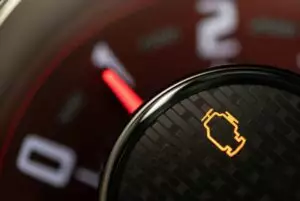
- Look for the check engine light—it might point to issues like a bad oxygen sensor.
- Inspect the Ventilation System
- Check the cabin air filter for dirt or debris.
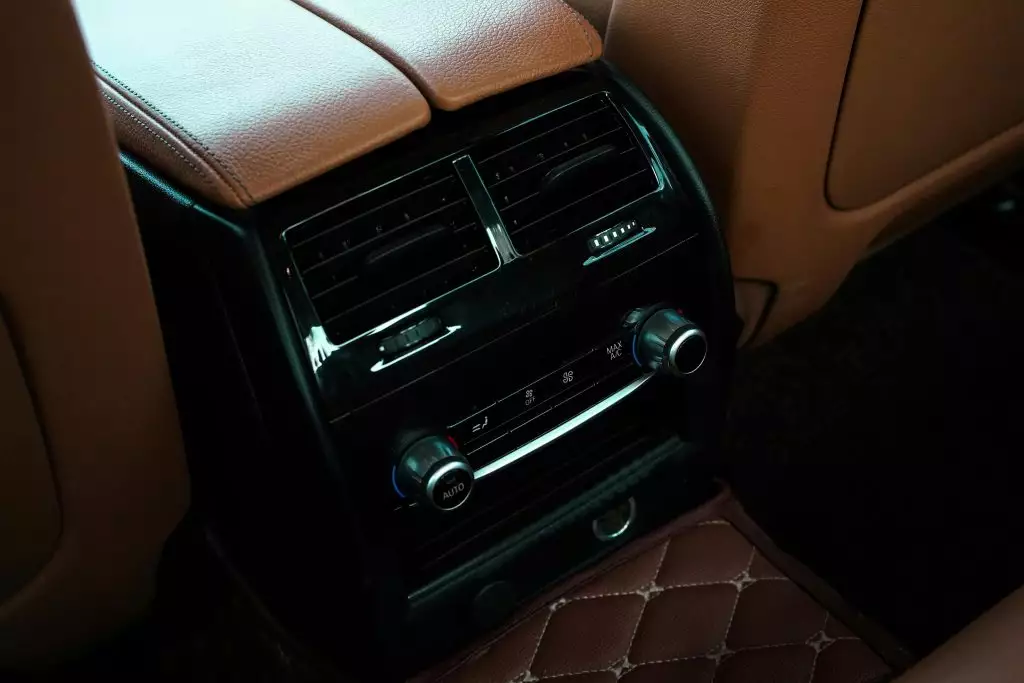
- Sniff near the vents to identify if the smell intensifies when the heat is on.
What Can You Do?
Once you’ve identified the potential cause, here are steps you can take:
1. Fix Fuel Leaks
- Tighten or replace damaged fuel lines and injectors.
- Patch or replace a leaking fuel tank.
2. Repair the Exhaust System
- Seal cracks in the manifold or pipes.
- Replace worn-out components like the catalytic converter.
3. Maintain the Engine
- Replace faulty spark plugs, sensors, or other parts.
- Get a professional tune-up to improve engine performance.
4. Clean or Replace the Cabin Air Filter
- If the air filter is dirty, replace it with a new one to eliminate trapped odors.
5. Consult a Mechanic
- If you can’t pinpoint the issue, take your car to a trusted mechanic. They have the tools and expertise to diagnose and resolve the problem.
Preventive Tips
To avoid gas smells in the future, follow these preventive measures:
- Regular Maintenance: Keep up with scheduled tune-ups and inspections.
- Inspect for Leaks Often: Check for signs of fuel or exhaust leaks periodically.
- Replace Filters: Change the cabin air filter as recommended by your car’s manufacturer.
- Drive Smart: Avoid overfilling the gas tank, as this can lead to spills and vapor leaks.
Final Thoughts
A gas smell when you turn on your car’s heat is more than just a minor annoyance; it’s a sign that something might be wrong.
Whether it’s a fuel system leak, exhaust issue, or another problem, addressing it quickly can protect your health and safety while ensuring your car runs efficiently.
If you’re unsure about the cause or how to fix it, don’t hesitate to seek help from a professional mechanic. Staying proactive can save you time, money, and unnecessary stress on the road.