Your BMW is known for smooth power delivery and sharp throttle response. When that refined feel suddenly turns into shaking at idle or weak acceleration, the problem can feel frustrating and confusing.
One hidden system often behind these issues is the BMW Valvetronic system. When it starts to fail, the engine can behave in ways that seem random at first but follow clear warning signs if you know what to look for.
This guide breaks down BMW Valvetronic symptoms that cause rough idle and power issues in a clear, driver-focused way. You will learn how the system works, what goes wrong, and why early action can save you from costly repairs.
What the BMW Valvetronic System Does
BMW Valvetronic controls how much air enters the engine by adjusting valve lift instead of relying mainly on the throttle plate. This allows the engine to breathe more precisely at all speeds. The result is better fuel use, smoother idle, and stronger response when you press the accelerator.
Because Valvetronic plays such a direct role in air control, even small faults can throw off the air-fuel mix. That imbalance often shows up as rough running or loss of power.
Rough Idle at Startup or While Stopped
One of the most common Valvetronic symptoms is a rough or shaky idle. The engine may feel uneven when you start the car or while waiting at a stoplight.
This happens when the system cannot set the correct valve lift. Too much or too little air enters the cylinders, causing unstable combustion. You may notice the idle speed rising and falling or the car vibrating more than usual.
In some cases, the idle smooths out once you start driving. That does not mean the problem is gone. It often points to early Valvetronic wear.
Hesitation When Pressing the Gas Pedal
Another clear sign is hesitation during acceleration. You press the pedal, and the engine feels slow to respond. The power may arrive late or in small surges instead of one smooth push.
Valvetronic issues cause this because the valves do not open to the right height at the right time. The engine struggles to match airflow with fuel delivery. This delay is most noticeable during light to moderate acceleration.
Over time, hesitation can turn into full power loss if the system continues to degrade.
Loss of Low-End Torque
BMW engines usually feel strong at low speeds. When Valvetronic problems develop, that strength fades. The car may feel weak when pulling away from a stop or climbing a hill.
Low-end torque depends heavily on precise valve control. If the Valvetronic motor or eccentric shaft sensor sends incorrect signals, the engine cannot build power efficiently at lower RPMs.
Drivers often describe this as the car feeling heavier or less eager to move.
Engine Misfires Without Clear Cause
Misfires are often blamed on spark plugs or ignition coils. In some BMW models, Valvetronic faults can trigger misfires even when those parts are in good shape.
When valve lift is inconsistent, some cylinders may receive the wrong air amount. That leads to incomplete combustion, which the engine computer detects as a misfire.
These misfires may appear at idle, during light driving, or under load. They can come and go, making diagnosis tricky without checking the Valvetronic system.
Check Engine Light With Power Reduction
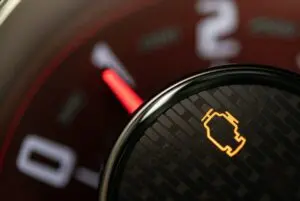
A failing Valvetronic system often triggers the check engine light. In many cases, the car also enters a reduced power mode to protect the engine.
You may notice warning messages related to drivetrain or engine performance. The throttle response becomes dull, and top speed may feel limited.
This safety response occurs when the engine computer detects valve lift values outside normal range. Driving in this condition for long periods increases stress on other engine parts.
Jerky Driving at Steady Speeds
Some drivers report jerking or bucking while cruising at a steady speed. This can feel like the engine is lightly tapping the brakes or cutting power for a split second.
These symptoms point to unstable valve control. The Valvetronic system constantly adjusts valve lift, even during steady driving. When the system struggles, airflow fluctuates, causing uneven power delivery.
This issue is often more noticeable at lower speeds or in city traffic.
Hard Starting or Extended Crank Time
Valvetronic problems can also affect starting behavior. The engine may crank longer than normal before firing up.
During startup, the system must set a specific valve position. If it fails to reach that position quickly, the engine takes longer to stabilize. Cold starts tend to highlight this problem more clearly.
Repeated hard starts should never be ignored, as they place extra load on the starter and battery.
Increased Fuel Consumption
When Valvetronic does not control airflow correctly, fuel efficiency drops. The engine may run richer than needed to stay running smoothly.
You might notice fewer miles per tank or more frequent fuel stops. This symptom often appears alongside rough idle or hesitation.
Poor fuel economy is an early clue that something in the air control system is no longer working as intended.
Common Causes of BMW Valvetronic Failure
Several components within the system can fail or wear out:
- Valvetronic motor wear or internal failure
- Eccentric shaft sensor faults
- Wiring or connector issues
- Mechanical wear in the eccentric shaft itself
- Software calibration problems
These issues may develop slowly, which is why early symptoms often feel mild at first.
Why Ignoring Valvetronic Symptoms Is Risky
Driving with Valvetronic problems does more than reduce comfort. Poor valve control increases engine stress and can lead to secondary issues.
Misfires can damage the catalytic converter. Rough running increases vibration, which affects mounts and exhaust components. Prolonged reduced power mode limits safe driving ability in traffic.
Early repair usually costs far less than waiting until multiple systems are affected.
Diagnosis and Repair Expectations
Proper diagnosis requires a BMW-capable scan tool that can read Valvetronic-specific data. Visual inspection alone rarely reveals the full problem.
Repairs vary based on the faulty part. A sensor replacement is far less expensive than a full eccentric shaft repair. In some cases, software updates restore correct operation.
A skilled technician can test motor movement, sensor signals, and valve response to pinpoint the issue accurately.
Final Thoughts
BMW Valvetronic symptoms that cause rough idle and power issues often start quietly and grow worse over time. Shaking at idle, hesitation, weak low-speed power, and warning lights are all signs that the engine is no longer breathing correctly.
Paying attention to these changes protects performance, fuel economy, and long-term engine health. When your BMW stops feeling smooth and responsive, the Valvetronic system deserves a close look before the problem escalates.