Brakes are one of the most crucial safety systems in your vehicle. They ensure you can stop quickly and safely, helping to prevent accidents and maintain control.
But just like any other part of your car, brakes wear out over time and will eventually need to be replaced. A common question among drivers is: “How many miles can I expect my brakes to last?”
In this article, we’ll break down everything you need to know about brake lifespan, the factors that influence it, and how to get the most out of your braking system.
Understanding Brake Lifespan
The lifespan of your brakes can vary significantly depending on several factors. On average, brake pads can last between 25,000 and 70,000 miles, but some can last even longer.
For instance, certain premium brake pads, such as ceramic ones, may last up to 100,000 miles, while others, like organic brake pads, may wear out after just 20,000 miles.
Why such a big range? It all comes down to the type of brake pads you use, your driving habits, the conditions in which you drive, and how well you maintain your braking system.
Understanding these variables can help you better predict when your brakes might need replacing and ensure your safety on the road.
Factors Affecting Brake Lifespan
Several factors come into play when determining how long your brakes will last. Let’s explore them in detail.
1. Type of Brake Pads
The type of brake pads you use has a huge impact on their lifespan. Here’s a breakdown of the most common types:
- Organic Brake Pads: Made from materials like rubber, glass, and resins, these pads are softer and less expensive. However, they tend to wear out quickly, often lasting between 20,000 and 30,000 miles.
- Semi-Metallic Brake Pads: These are a mix of metals like copper, iron, and steel. They are more durable than organic pads and perform well in various conditions, lasting around 30,000 to 50,000 miles.
- Ceramic Brake Pads: Known for their longevity and quiet operation, ceramic pads are a top choice for many drivers. They are more expensive but can last up to 70,000 miles or more, making them a great long-term investment.
2. Driving Habits
How you drive plays a critical role in brake wear. For example:
- Aggressive Drivers: Rapid acceleration and hard braking put extra strain on brake pads, causing them to wear out faster.
- Smooth Drivers: Gradual acceleration and braking reduce the stress on your brakes, extending their lifespan.
3. Driving Conditions
The environment in which you drive also affects how long your brakes will last. Consider these scenarios:
- Urban Driving: Frequent stops and starts at traffic lights and in stop-and-go traffic mean your brakes work harder, leading to faster wear.
- Highway Driving: Fewer stops and smoother braking on highways generally lead to slower brake wear.
- Hilly or Mountainous Terrain: Driving in areas with steep inclines requires more braking, especially when descending hills, which accelerates wear.
4. Vehicle Weight
The weight of your vehicle directly affects your brakes. Heavier vehicles, such as SUVs and trucks, require more force to stop, which puts more stress on the brake pads and rotors. If you often carry heavy loads or tow trailers, expect your brakes to wear out faster.
5. Quality of Brake Components
The materials and build quality of your brake system components can also influence how long they last. High-quality pads and rotors typically last longer and provide better performance, while cheaper, lower-quality parts may wear out quickly.
Signs Your Brakes Are Wearing Out
Knowing the warning signs of brake wear can save you from potential accidents and costly repairs.
Here’s what to watch for:
- Squealing or Screeching Sounds: This is often caused by a small metal indicator built into brake pads, designed to alert you when they are nearing the end of their life.
- Grinding Noise: If you hear grinding, your brake pads might be completely worn out, causing the metal parts of your brakes to rub together. This can damage your rotors and lead to more expensive repairs.
- Vibration or Pulsation: A vibrating brake pedal can indicate warped rotors or uneven wear on your brake pads.
- Longer Stopping Distances: If your vehicle isn’t stopping as quickly as it used to, it’s a sign that your brakes need attention.
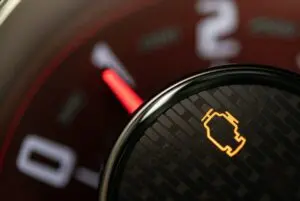
- Dashboard Warning Light: Many modern cars have brake warning lights that alert you to potential issues. Never ignore this signal.
How to Maximize Brake Lifespan
Want to make your brakes last as long as possible? Follow these tips:
1. Drive Smoothly
Avoid slamming on the brakes unless necessary. Gradual, controlled braking puts less strain on the brake system and reduces wear.
2. Minimize Vehicle Load
Keep your car as light as possible by removing unnecessary items from your trunk or backseat. A lighter vehicle is easier to stop, which helps extend the life of your brakes.
3. Regular Maintenance
Regular inspections by a professional mechanic can identify potential issues early. Check your brake fluid and replace it according to your car manufacturer’s recommendations to ensure smooth operation.
4. Use Engine Braking
When driving downhill, let your engine help slow the car instead of relying solely on the brakes. This reduces the heat and wear on your brake pads.
5. Invest in Quality Brake Components
Although they may cost more initially, high-quality pads and rotors last longer and perform better, saving you money in the long run.
When to Replace Your Brakes
While there is no universal rule for how often you should replace your brakes, it’s wise to start inspecting them after 25,000 miles.
Many brake pads will need replacing somewhere between 30,000 and 50,000 miles, though some may last longer with careful driving and regular maintenance.
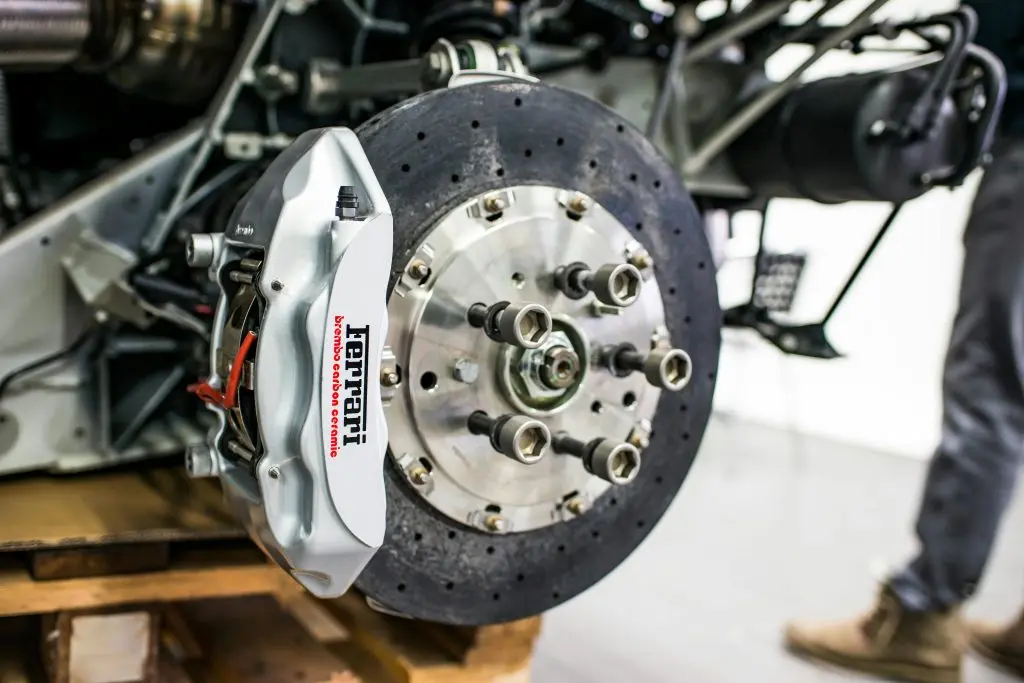
Rotors generally last longer than brake pads, but they might need to be resurfaced or replaced after 50,000 to 70,000 miles, depending on their condition.
Final Thoughts
Your brakes are a critical component of your car, directly tied to your safety and the safety of others on the road.
By understanding the factors that influence brake lifespan and taking steps to maintain them, you can ensure they perform well for years to come.
Pay attention to warning signs, drive smoothly, and invest in regular maintenance to keep your brakes in top condition. After all, your brakes are not just a part of your car; they’re a key part of what keeps you safe every time you hit the road.