
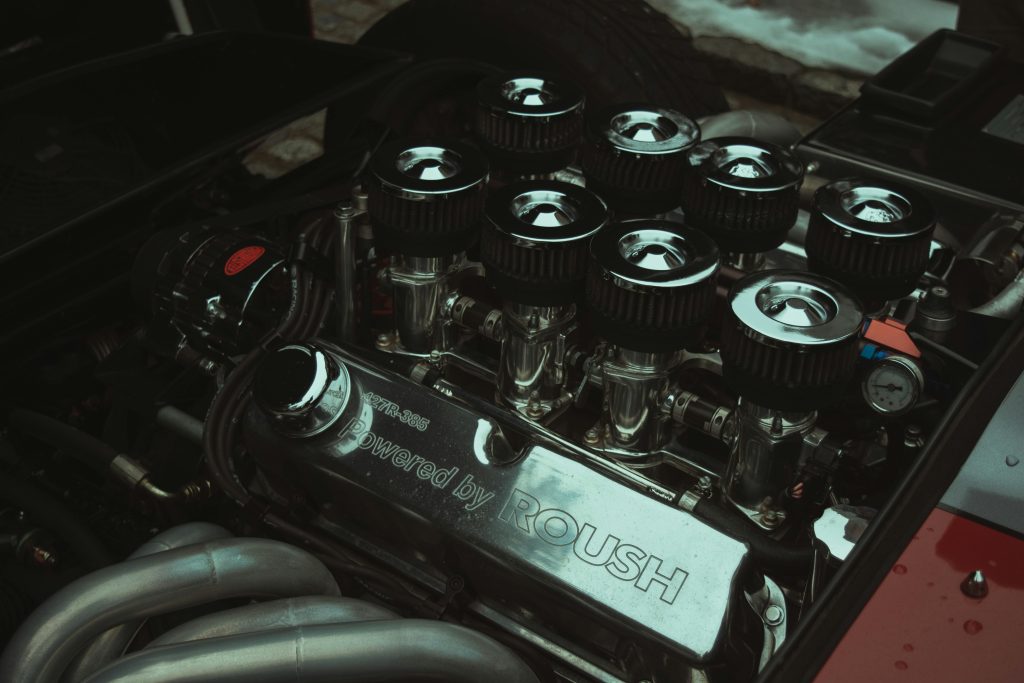
A leaking valve cover gasket is a common issue that many vehicle owners face over time. This problem, if not addressed, can lead to oil leaks, engine misfires, and even costly repairs.
Thankfully, you don’t need to be a professional mechanic to fix it. With a little patience and the right tools, you can repair a leaking valve cover gasket yourself.
This comprehensive guide will walk you through the process step by step, ensuring that even beginners can follow along.
What is a Valve Cover Gasket?
The valve cover gasket is a rubber or cork seal that sits between the valve cover and the engine’s cylinder head. Its main purpose is to seal the space and prevent oil from leaking as it circulates through the engine. The valve cover gasket also helps protect the valve train components from dirt and debris.
Over time, this gasket can degrade due to constant exposure to heat, oil, and engine vibrations. When the gasket becomes brittle or develops cracks, oil can seep out, causing visible leaks and potential engine damage.
Why is the Valve Cover Gasket Important?
- Prevents Oil Leaks: Keeps the oil inside the engine where it belongs.
- Maintains Engine Efficiency: A sealed system ensures proper lubrication and reduces wear on engine components.
- Prevents Contamination: Protects the valve train from dirt, dust, and other contaminants.
Recognizing the importance of this small but crucial part is the first step toward maintaining your engine’s health.
Signs of a Leaking Valve Cover Gasket
Before you start the repair process, it’s essential to identify whether your valve cover gasket is indeed the culprit.
Here are some common signs of a leak:
- Oil Stains Under the Car: If you notice puddles of oil under your vehicle, it could be due to a leaking gasket.
- Burning Smell of Oil: A telltale sign is the smell of burning oil, which happens when leaked oil drips onto hot engine parts.
- Visible Oil Around the Valve Cover: Inspect the engine bay. If there’s oil around the edges of the valve cover, you likely have a gasket issue.
- Engine Misfires: Oil seeping into the spark plug wells can disrupt ignition, leading to misfires.
- Low Oil Levels: Frequent oil top-offs might indicate that oil is escaping through a bad gasket.
If you notice one or more of these symptoms, it’s time to roll up your sleeves and get to work.
Tools and Materials You’ll Need
Before you dive into the repair, gather all the necessary tools and materials. Being prepared will make the process smoother and more efficient.
Tools:
- Socket Wrench Set: For removing and reattaching bolts.
- Screwdrivers: Useful for disconnecting hoses or clamps.
- Torque Wrench: Ensures bolts are tightened to the correct specifications.
- Plastic Scraper: For removing the old gasket without scratching surfaces.
Materials:
- Replacement Valve Cover Gasket: Choose a high-quality gasket compatible with your vehicle.
- Gasket Sealant (if required): Some gaskets may need a sealant to ensure a proper seal.
- Degreaser: Cleans the valve cover and cylinder head surfaces.
- Clean Rags: For wiping away oil and debris.
- Disposable Gloves: Keeps your hands clean and protected.
Having these items ready will save you time and prevent unnecessary interruptions.
Step-by-Step DIY Repair
Step 1: Prioritize Safety
Safety is paramount when working on your vehicle. Here’s how to prepare:
- Cool Down the Engine: Ensure the engine is completely cool before starting. A hot engine can cause burns.
- Disconnect the Battery: Remove the negative terminal of the battery to avoid accidental electrical sparks or shorts.
Taking these precautions minimizes risks and creates a safe working environment.
Step 2: Remove the Valve Cover
The valve cover is located on top of the engine and is usually secured with several bolts.
Follow these steps to remove it:
- Locate the Valve Cover: Refer to your car’s manual if you’re unsure where it is.
- Remove Obstructions: Disconnect any components blocking access, such as spark plug wires, ignition coils, or air intake hoses. Label parts if necessary to make reassembly easier.
- Unscrew the Bolts: Use a socket wrench to loosen and remove the bolts securing the valve cover. Keep the bolts in a safe place to avoid losing them.
Carefully lift the valve cover to avoid damaging nearby components.
Step 3: Clean the Surfaces
Once the valve cover is off, it’s essential to prepare the surfaces for the new gasket:
- Remove the Old Gasket: Gently peel off the old gasket using a plastic scraper. Avoid using metal tools, which could scratch or damage the sealing surfaces.
- Clean Thoroughly: Apply a degreaser to the valve cover and cylinder head surfaces. Use a clean rag to wipe away all residue, ensuring a smooth and clean surface for the new gasket.
Proper cleaning ensures a secure fit for the new gasket and prevents future leaks.
Step 4: Install the New Gasket
Now it’s time to install the new gasket:
- Check for Sealant Requirements: Some gaskets require a thin layer of sealant, especially in corners or areas prone to leaks. Follow your car manual’s recommendations.
- Position the Gasket: Align the new gasket carefully along the grooves of the valve cover. Press it gently to ensure a snug fit.
Take your time during this step to avoid misalignments.
Step 5: Reattach the Valve Cover
Reinstalling the valve cover is just as important as removing it:
- Place the Valve Cover: Align the valve cover over the cylinder head, ensuring the gasket stays in place.
- Tighten the Bolts: Start threading the bolts by hand to avoid cross-threading. Once all bolts are in place, use a torque wrench to tighten them evenly to the specified torque settings.
Even tightening prevents leaks and ensures a secure fit.
Step 6: Reassemble and Test
- Reinstall Removed Components: Reattach spark plug wires, ignition coils, and any other parts you removed earlier.
- Reconnect the Battery: Reconnect the negative terminal of the battery.
- Start the Engine: Check for leaks by inspecting the valve cover area while the engine is running.
- Test Drive: Take a short drive and recheck the gasket for leaks afterward.
If everything looks good, your repair is complete!
Tips for Success
- Stay Organized: Keep parts and tools organized to avoid confusion during reassembly.
- Take Your Time: Rushing can lead to mistakes. Work methodically.
- Use High-Quality Parts: Invest in a durable gasket to ensure a long-lasting repair.
When to Seek Professional Help
If you encounter problems such as stripped bolts, severe leaks, or lack the necessary tools, it’s best to consult a mechanic. Attempting complex repairs without proper knowledge can lead to further damage.
Conclusion
Repairing a leaking valve cover gasket might seem intimidating at first, but with the right tools and guidance, it’s a task you can handle at home.
Not only will this save you money on repairs, but it also gives you the satisfaction of maintaining your vehicle yourself.
By following this guide, you’ll prevent oil leaks, improve engine performance, and extend the life of your car. So, grab your tools, and let’s get started!