
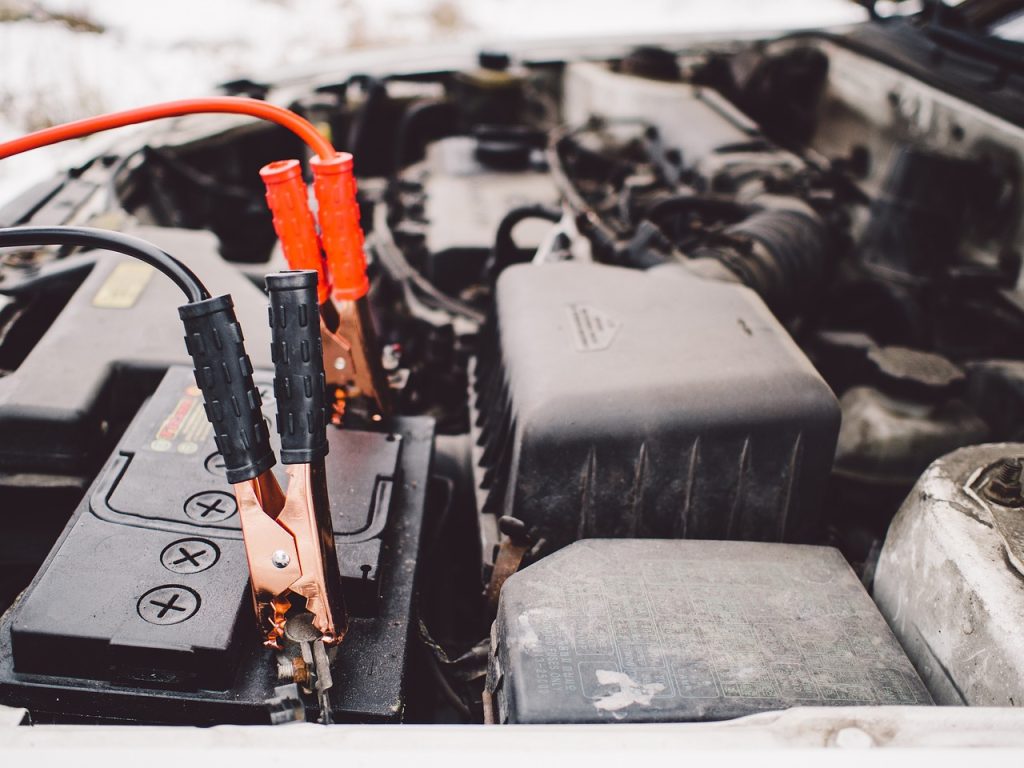
A dead car battery can leave you stranded at the most inconvenient times. Knowing how to charge your car battery safely and effectively is a life skill every driver should possess.
Whether you’re dealing with a completely drained battery or simply need a top-up, following the right steps ensures safety and success.
In this guide, you’ll learn the tools you need, the step-by-step process, and essential safety tips to charge your car battery like a pro.
Why Do Car Batteries Lose Charge?
Before jumping into the charging process, it’s important to understand why car batteries lose charge.
Common reasons include:
- Leaving lights or electronics on: Even something as small as an interior light can drain your battery overnight.
- Cold weather: Low temperatures can reduce a battery’s efficiency.
- Old or worn-out battery: Batteries degrade over time, and older ones lose charge faster.
- Alternator issues: A faulty alternator may not charge the battery properly while driving.
Knowing the cause can help you prevent future battery issues.
Tools You Need to Charge a Car Battery
Charging a car battery requires specific tools and equipment. Here’s what you’ll need:
- Jumper cables or a battery charger: These are essential for transferring power to your car battery.
- Another vehicle (if using jumper cables): A running vehicle is needed to jump-start your car.
- Safety gear: Wear gloves and safety goggles to protect yourself from potential hazards.
- Clean cloth or brush: This is used to clean any corrosion from the battery terminals.
- A well-ventilated area: Batteries emit hydrogen gas, which can be dangerous in enclosed spaces.
Step-by-Step Guide to Charging Your Car Battery
1. Prepare for the Task
Safety comes first. Park your vehicle on a flat, stable surface and turn off the ignition. Make sure the parking brake is engaged. If you’re using jumper cables, park the second car close enough for the cables to reach but avoid the vehicles touching each other.
2. Inspect the Battery
Open the hood and locate the battery. Check for signs of damage, such as cracks or leaks. If the battery appears damaged, do not attempt to charge it. Instead, replace it immediately.
Also, inspect the terminals for corrosion; a white or greenish buildup, and clean them using a cloth or brush.
3. Connect the Cables or Charger
Using Jumper Cables:
- Attach the red (positive) cable to the positive terminal of the dead battery.
- Connect the other end of the red cable to the positive terminal of the working battery.
- Attach the black (negative) cable to the negative terminal of the working battery.
- Connect the other end of the black cable to an unpainted metal surface on the car with the dead battery (not directly to the negative terminal). This reduces the risk of sparks.
Using a Battery Charger:
- Connect the red (positive) charger clamp to the positive terminal of the battery.
- Attach the black (negative) charger clamp to the negative terminal.
- Plug the charger into a power outlet.
4. Start Charging
If Using Jumper Cables:
- Start the engine of the working car and let it run for a few minutes. Then, attempt to start the car with the dead battery. If it doesn’t start, wait a bit longer before trying again.
If Using a Battery Charger:
- Follow the instructions provided with the charger. Most chargers have settings for different charge speeds. A slower charge is safer and better for the battery, but it takes longer.
5. Disconnect Safely
Once the car starts or the battery is fully charged, disconnect the cables or charger in reverse order:
Jumper Cables:
- Remove the black (negative) cable from the unpainted metal surface.
- Detach the other black (negative) cable from the working battery.
- Remove the red (positive) cable from the working battery.
- Detach the red (positive) cable from the dead battery.
Battery Charger:
- Turn off the charger and unplug it.
- Remove the black (negative) clamp, followed by the red (positive) clamp.
6. Test the Battery
After charging, test the battery by starting your car. If it starts smoothly, the charging process is successful. For long-term battery health, consider getting it tested at a local auto shop to ensure it’s holding a charge properly.
Safety Tips for Charging a Car Battery
- Avoid sparks: Always connect cables in the correct order to prevent sparks near the battery.
- Work in a ventilated area: Charging batteries release hydrogen gas, which is highly flammable.
- Never touch clamps together: This can cause a short circuit and lead to serious damage.
- Wear protective gear: Gloves and goggles can protect you from acid or electrical sparks.
- Follow instructions: Read and follow the manufacturer’s guidelines for your specific battery and charger.
Preventative Measures to Keep Your Battery Charged
- Drive regularly: Short trips can prevent the battery from fully charging. Aim for longer drives occasionally.
- Turn off electronics: Ensure lights and devices are off when the car isn’t running.
- Check the battery regularly: Clean terminals and check for corrosion to maintain a strong connection.
- Invest in a battery maintainer: If you don’t drive often, a maintainer can keep the battery charged without overcharging it.
Conclusion
Knowing how to charge a car battery safely and effectively is a valuable skill that can save you time and money.
By following the steps outlined above and adhering to safety guidelines, you’ll be back on the road in no time.
Remember to keep your tools handy and maintain your battery to avoid unexpected issues in the future. A little preparation goes a long way!