
If you drive a Mercedes diesel, you may have seen a warning on the dashboard about the AdBlue system.
When this system malfunctions, it can feel stressful and confusing. The good news is that most AdBlue problems can be understood and handled if you know what to look for and what steps to take next.
This guide explains what the AdBlue system does, why it fails, and what you should do when something goes wrong—all in simple, clear language.
What Is the AdBlue System?
AdBlue is a special fluid used in modern Mercedes diesel vehicles with SCR (Selective Catalytic Reduction) technology. It helps reduce harmful exhaust gases by turning nitrogen oxides into harmless water vapor and nitrogen.
The system includes:
- An AdBlue tank
- Sensors to measure fluid level and quality
- A pump and injector
- Control software in the vehicle
If any part of this system fails, the car will warn you.
Common Warning Signs of an AdBlue Problem
Mercedes vehicles usually give clear alerts when the AdBlue system is not working correctly. Common signs include:
- “Check AdBlue” or “AdBlue System Malfunction” message
- Countdown warning showing miles left before the car will not start
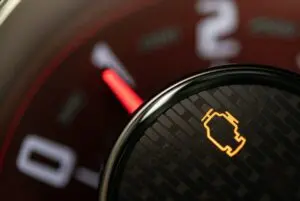
- Check Engine Light turning on
- Reduced engine power
- Car refusing to start after the countdown reaches zero
Ignoring these warnings can lead to the vehicle being disabled, so it’s important to act quickly.
Why Mercedes AdBlue Systems Fail
AdBlue systems are helpful but sensitive. Some of the most common causes of failure include:
- Low or empty AdBlue tank
- Crystallized AdBlue caused by dried fluid in lines or injectors
- Faulty NOx sensors
- Bad AdBlue pump or heater
- Software errors
- Contaminated or poor-quality AdBlue
Cold weather can also cause problems, especially if the AdBlue heater fails.
Step-by-Step: What to Do When the System Malfunctions
1. Check the AdBlue Level
Start with the simplest step. Make sure the AdBlue tank is not empty. Use only high-quality, ISO-certified AdBlue. Do not overfill the tank, as this can cause sensor errors.
After refilling, drive the car for a few minutes. Some Mercedes models need time or a restart before the warning clears.
2. Do Not Ignore the Countdown Warning
If your dashboard shows a “No start in X miles” message, take it seriously. Once the countdown reaches zero, the car may not start even if the engine is otherwise fine.
If refilling AdBlue does not reset the countdown, the issue is likely sensor- or system-related.
3. Restart the Vehicle Properly
After adding AdBlue:
- Turn off the engine
- Lock the car
- Wait at least 5–10 minutes
- Restart the engine
This allows the system to recheck the fluid level and sensors.
4. Check for Software Updates
Mercedes often releases software updates to fix known AdBlue system bugs. A dealer or qualified shop can scan your vehicle and see if an update is available.
Software issues can cause false warnings even when the system is working correctly.
5. Get a Diagnostic Scan
If the warning stays on, a diagnostic scan is necessary. A professional scanner can read AdBlue-related fault codes such as NOx sensor failures, pump issues, or heater problems.
Generic scanners may not show full Mercedes-specific codes, so a Mercedes-capable scan tool is best.
6. Avoid Driving in Limp Mode for Long
If your car enters reduced power mode, avoid long or high-speed drives. Limp mode protects the engine and emissions system, but continued driving can lead to more damage and higher repair costs.
Can You Drive with an AdBlue Malfunction?
You may be able to drive for a short time, but it’s not recommended. Mercedes designs the system to eventually prevent driving if emissions rules are not met. Driving too long with a malfunction can lead to:
- Vehicle shutdown
- Failed emissions inspection
- Costly repairs
- Being stranded
Common Repairs and Costs (What to Expect)
While costs vary by model and region, common fixes include:
- AdBlue refill: Low cost
- NOx sensor replacement: Moderate to high cost
- AdBlue pump or heater repair: Moderate cost
- Software update: Often low cost or free at the dealer
Early diagnosis usually saves money.
What Not to Do
- Do not use water or homemade solutions instead of AdBlue
- Do not ignore warnings or countdown messages
- Do not clear codes without fixing the cause
- Do not overfill the AdBlue tank
These mistakes can make the problem worse.
How to Prevent Future AdBlue Problems
You can reduce the chance of future issues by:
- Using only certified AdBlue
- Keeping the tank above minimum level
- Driving the car regularly
- Servicing the vehicle on schedule
- Fixing small warnings early
Final Thoughts
A Mercedes AdBlue system malfunction can be frustrating, but it doesn’t have to be overwhelming. Most problems are manageable when caught early. Start with simple checks, take dashboard warnings seriously, and get professional diagnostics when needed.
By acting quickly and maintaining the system properly, you can keep your Mercedes running smoothly, legally, and efficiently for years to come.