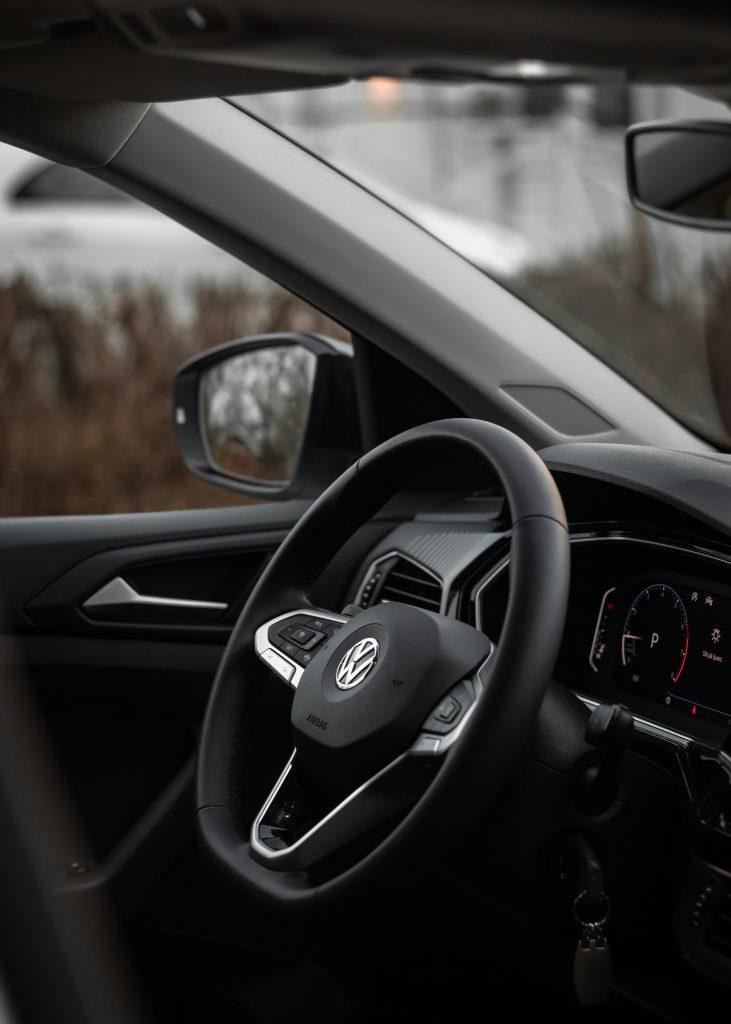
The EPC (Electronic Power Control) light is an essential indicator on your Volkswagen’s dashboard. When this light comes on, it’s a signal that something is wrong with your car’s engine or its power management system.
If you notice the EPC light is illuminated and your vehicle loses power while driving, it can be concerning. In this post, we’ll explain the common causes of this issue and what you can do about it.
What Is the EPC Light?
The EPC light on your Volkswagen is part of the car’s electronic control system. It monitors critical components of the engine, throttle, and brakes. When there’s an issue with one of these components, the EPC light turns on to alert you. The loss of power you’re experiencing could be directly related to these components.
Why Does the EPC Light Come On While Driving?
The EPC light turning on while driving usually indicates a malfunction with the throttle system, which controls the amount of power going to the engine. When the system detects an issue, it can reduce the car’s power output to protect the engine from further damage. Below are some common reasons this can happen:
1. Throttle Body Problems
The throttle body controls how much air enters the engine. When it becomes dirty, damaged, or faulty, it may cause issues with power delivery. The engine control unit (ECU) may detect a problem with the throttle, triggering the EPC light and reducing the car’s power. Cleaning or replacing the throttle body may be necessary to resolve the issue.
2. Faulty Accelerator Pedal Sensor
The accelerator pedal sensor communicates with the car’s ECU to control the throttle body. If this sensor fails, the car’s power management system can’t correctly determine how much power to deliver, resulting in a loss of power and the illumination of the EPC light. Replacing the faulty sensor is the usual solution.
3. Electrical Issues
Volkswagens are highly reliant on their electrical systems, and a loose or corroded connection can cause electrical malfunctions in the engine’s power control system. Issues with wiring, sensors, or connectors can prevent the ECU from receiving or sending proper signals, leading to a loss of power while the EPC light is on.
4. Engine Control Unit (ECU) Malfunctions
The ECU is the brain of the car’s engine management system. If there’s a problem with the ECU itself, it may misinterpret data or fail to regulate engine functions properly. This can result in power loss and trigger the EPC light. ECU issues often require professional diagnostic tools to identify and may need reprogramming or replacement.
5. Fuel Delivery Problems
Inadequate fuel delivery can also cause power loss while driving. A malfunctioning fuel pump, clogged fuel filter, or faulty fuel injector can restrict the flow of fuel to the engine, leading to a reduction in power. These issues can cause the EPC light to appear as the engine struggles to maintain proper performance.
6. Mass Air Flow Sensor Failure
The mass air flow (MAF) sensor measures the amount of air entering the engine and sends this information to the ECU. If the sensor is dirty, damaged, or faulty, it can result in incorrect air-fuel mixture adjustments, leading to a decrease in engine power. Cleaning or replacing the MAF sensor can resolve this issue.
7. Worn Out Timing Belt
A worn or slipping timing belt can throw off the timing of your engine’s performance, causing misfires and a drop in power. The EPC light may turn on if the timing belt is not functioning correctly. This problem can also cause significant damage to the engine, so it’s crucial to address it immediately.
8. Clogged or Dirty Air Filter
Your engine requires a sufficient amount of clean air to operate efficiently. A clogged air filter reduces the amount of air entering the engine, leading to poor engine performance and potential power loss. If the EPC light is on and you’re experiencing power loss, check the air filter to see if it needs cleaning or replacement.
9. Problems with the Brake System
In some Volkswagen models, the brake system is tied to the EPC light. If there’s a problem with the braking system, such as a malfunctioning brake light switch or an issue with the brake pedal position sensor, it can trigger the EPC light and affect engine performance.
How to Fix the EPC Light and Loss of Power?
- Diagnose the Issue: The first step in fixing the issue is to get a proper diagnosis. You can use an OBD-II scanner to check for trouble codes. These codes will help pinpoint the issue and guide you on what to fix.
- Throttle Body Cleaning/Replacement: If the throttle body is dirty or damaged, cleaning or replacing it might fix the issue.
- Sensor Replacement: If the problem is with the accelerator pedal sensor or the mass air flow sensor, replacing the faulty sensor will restore normal power control.
- Check the Wiring: Inspect all electrical components, including connectors and sensors, to ensure they’re functioning properly. Replace any worn-out or damaged components.
- Fuel System Maintenance: If the issue is with fuel delivery, have your fuel pump, fuel filter, and injectors checked and replaced if necessary.
- Regular Maintenance: Regular maintenance, such as changing the air filter and checking the timing belt, can prevent EPC light issues from occurring.
Conclusion
The VW EPC light coming on while driving, accompanied by a loss of power, can be a sign of various issues. Whether it’s a throttle body malfunction, faulty sensor, or fuel delivery problem, it’s important to address the issue quickly to prevent further damage to your vehicle.
Regular maintenance and early detection can help keep your Volkswagen running smoothly and prevent the EPC light from disrupting your driving experience.
If you’re unsure of the cause, it’s always best to consult with a professional mechanic who can accurately diagnose and repair the issue.